The Rich History of Mahjong
Mahjong, a game that has captivated millions around the world, finds its roots deep within the history and culture of China. Often compared to card games like poker or rummy, Mahjong stands out not only because of its unique set of tiles but also due to its rich historical background and the mystique associated with its origins. Throughout the years, Mahjong has transcended its status as a traditional family pastime to become a globally recognized game, providing an engaging blend of skill, luck, and strategy.
Originating in the Qing Dynasty, Mahjong evolved from earlier games and was purportedly popularized among nobles and scholars. Over time, it spread beyond the confines of the Chinese imperial courts and into the broader public. By the early 20th century, Mahjong made its way to the West, where it was met with great enthusiasm. Its integration into Western culture was particularly prominent during the 1920s, where it became a fashionable pastime among the elite.
The Cultural Significance of Mahjong
Mahjong is more than just a game; it is an integral part of social interaction within many Asian cultures. Playing Mahjong is seen as a way to foster relationships, celebrate holidays, and engage in mental exercise. During festive seasons like the Chinese New Year, families often come together to play Mahjong, strengthening bonds and ensuring that traditions are passed down from generation to generation.
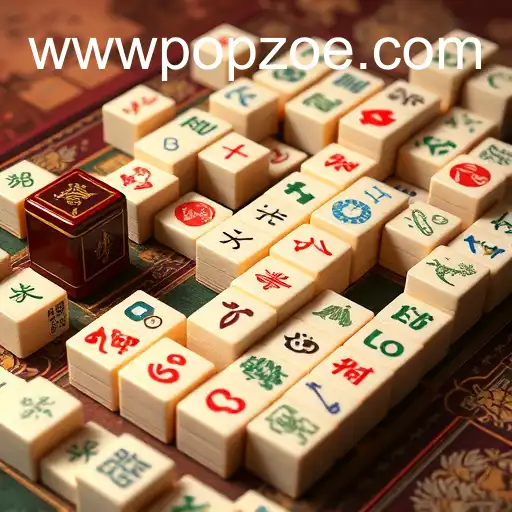
Moreover, Mahjong is imbued with cultural symbolism. The game is traditionally played with 144 tiles, each adorned with Chinese characters and symbols that reflect themes of fortune and prosperity. The tiles are categorized into suits - dots, bamboo, and characters - as well as honor tiles such as winds, dragons, and flowers. Collectively, these elements highlight the game’s cultural depth and its connection to Chinese history and spirituality.
Mahjong: A Tactical Game
Despite the numerous regional variations of Mahjong, the core objective remains the same: to build complete sets with tiles and achieve a winning hand. The complexity of Mahjong lies in its intricate set of rules that require players to employ a combination of strategy, memory, and critical thinking.
Players must constantly assess the potential of their hands while predicting opponents’ strategies. This involves not only selecting which tiles to draw or discard but also reading opponents’ cues and anticipating their next moves. Such tactical considerations make Mahjong an intellectually stimulating game, attracting players of all ages and skill levels.
Online Platforms: The Digital Evolution of Mahjong
The advent of online gaming platforms has revolutionized the way Mahjong is played today, expanding its reach and introducing the game to a broader audience. Websites like POPZOE.COM have been instrumental in promoting Mahjong's digital presence, allowing players from all over the world to engage in matches without the constraints of geographical distance.
Online platforms have not only preserved the traditional elements of Mahjong but have also introduced innovative features to enhance the gaming experience. These features often include multiplayer modes, leaderboards, and interactive tutorials, making it easier for beginners to learn the game while offering advanced players opportunities to hone their skills.
The Global Appeal of Mahjong
Mahjong's universal appeal can be attributed to its accessibility and the pleasure it provides to players seeking both casual enjoyment and serious competition. As Mahjong clubs and tournaments proliferate across the globe, the game continually attracts a diverse community of enthusiasts eager to engage with its rich culture and strategic depth.
Additionally, Mahjong's online expansion through platforms like POPZOE.COM allows it to transcend cultural and linguistic barriers, creating a vibrant global community that celebrates the game’s complexity and enduring appeal.
Ultimately, Mahjong is not merely a game of tiles. It is a tapestry woven with threads of history, culture, strategy, and social interaction, offering endless opportunities for exploration and connection. Whether played at a physical table or online, Mahjong remains a captivating pursuit that brings people together through shared enjoyment and mental challenge."